Selected criticism, 2001 to today
“Languid, sultry strings soared over the pulsing sound of a heartbeat.”
The first movement of Widows & Lovers, by the Moscow-born Israeli composer Aviya Kopelman, opened with a recording of noisy chatter; an insistent, melancholy string section was punctuated by a recording of techno beats. The concluding Black Widow interspersed aggressive, slashing chords with moments of sweetness.
Vivien Schweitzer
See the original
“Kopelman’s lively conception involved amplification, digital static and non-classical vocal techniques.”
Electronica figured prominently in Grief Measure, three songs linked by computer-enhanced wordless choruses and breakbeat drumming. The standout was the versatile soprano Mellissa Hughes, whose dynamic singing and theatrical flair in the concluding song, The Last Toast, made for an extravagant star turn.
Steve Smith
See the original
“The evening’s most arresting offering was the third and final movement of Aviya Kopelman’s Widows & Lovers.”
It shrugged off the standardized elements of the first two movements to blossom into a dialogue between two beautiful and strange ideas. One was an aggressive series of chordal explosions; the other, utterly unforgettable, was a tender, bluesy rhapsody, full of otherworldly swoops and harmonic bends set over a slow pizzicato bass line.
Joshua Kosman
See the original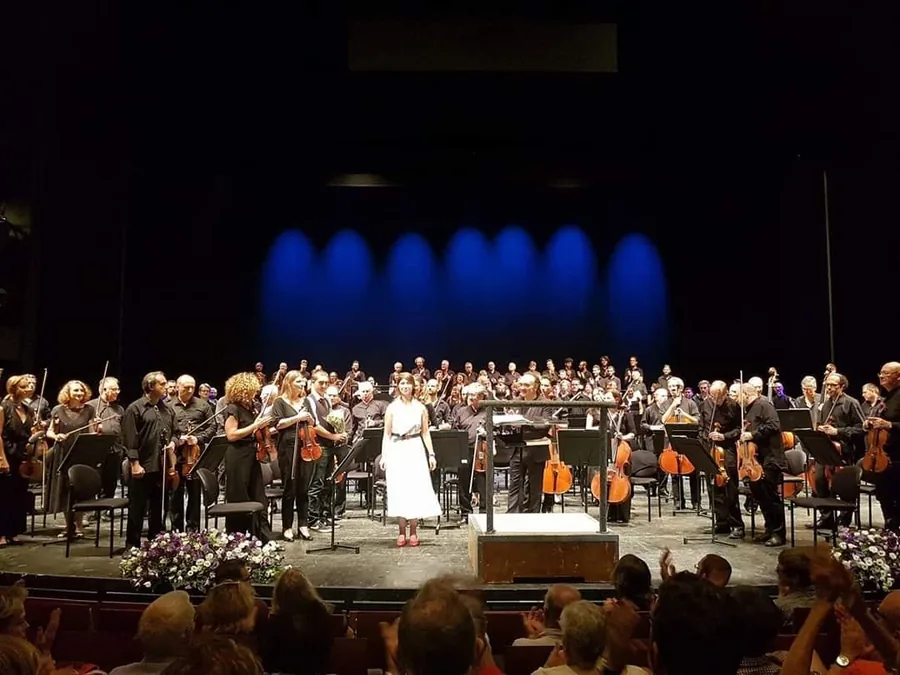
“Attempts at fusion of various genres are often made, but rare is the intrinsic understanding of both worlds that Kopelman has achieved.”
Her piece blends electronic manipulation and sampling without forsaking the strings — warm, living, breathing, deeply expressive sound. The piece conjures an array of unusual sound, though the core quartet sound is always at hand: a fascinating mix.
Beeri Moalem
See the original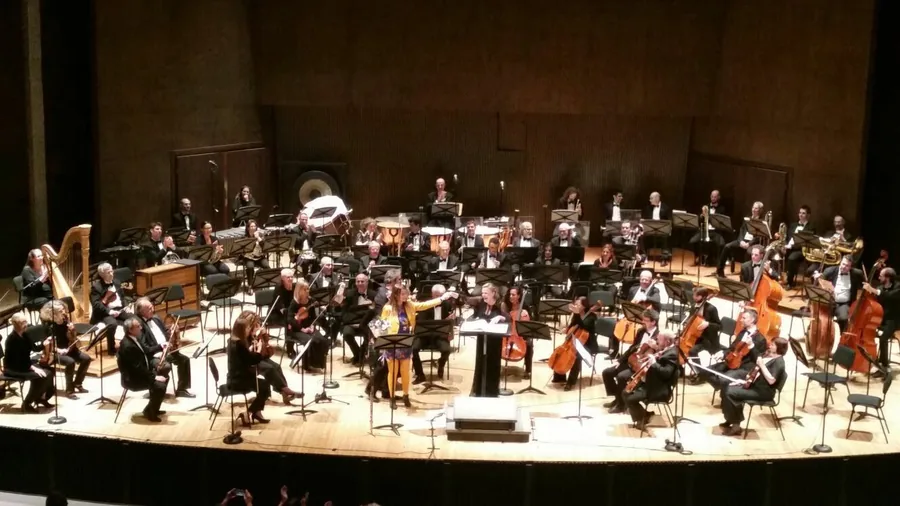
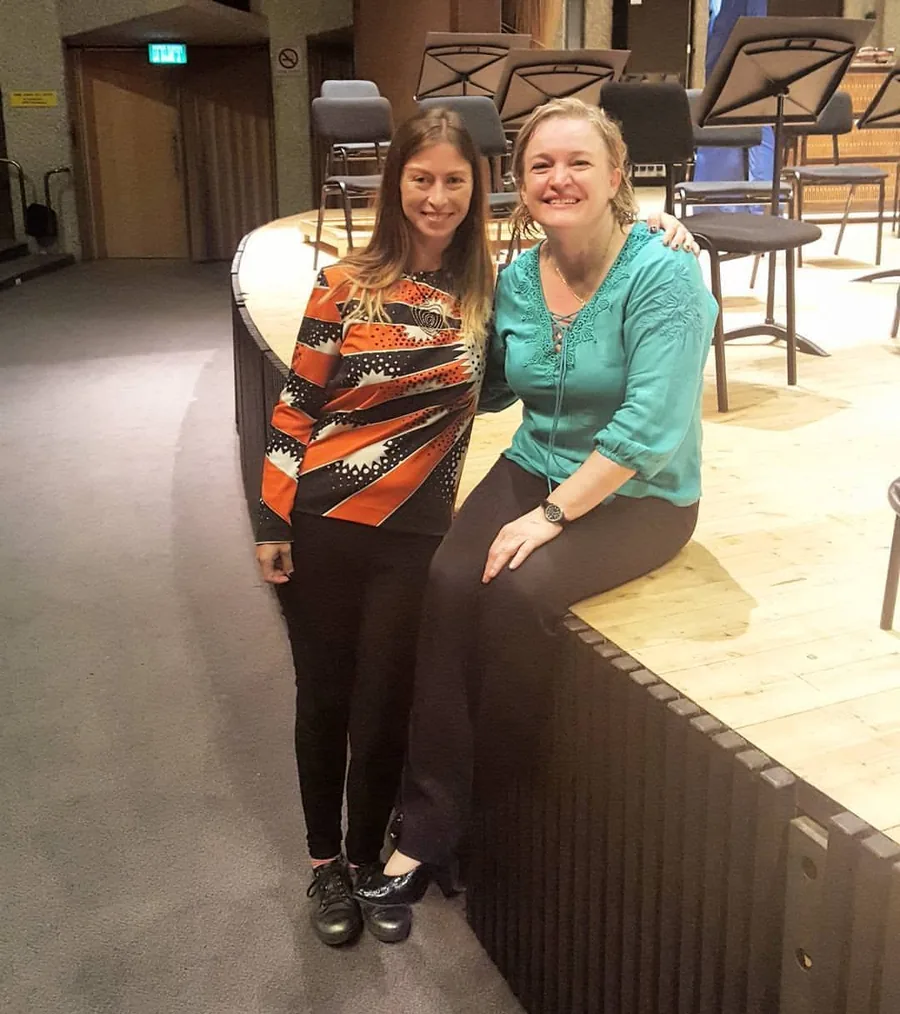
“…the passionate string writing, in which every modulation tugs at the heart.”
Widows & Lovers tests the strength of the string quartet to retain its traditional profile within a world of unfettered technological resources. The Israel-based composer does not shy away from basics.
Allan Ulrich
See the original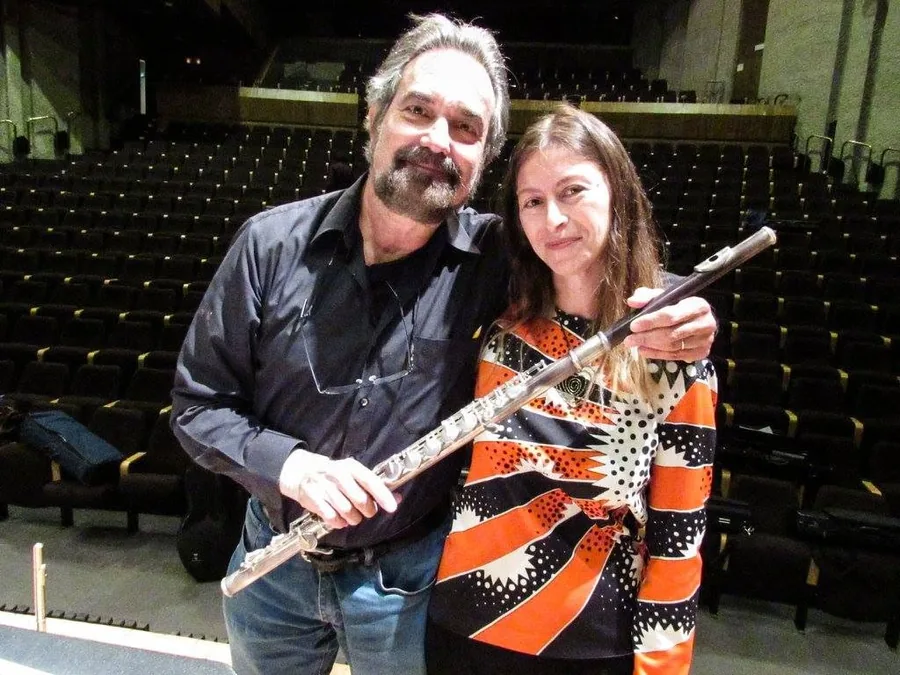
“A wonderfully meaty and colourful minimalism in the spirit of John Adams.”
Or Vivaldi’s: one of the movements recalled Spring, where the violins’ birdsong and the viola’s dog-bark seemed to interlock. Hidden Place received its premiere here.
Camilla Lundberg
See the original
“The piece became a fascinating negotiation between worlds.”
The programme took one of its most unexpected and rewarding turns with Getting Closer. Together, the two instruments ended somewhere closer than where they began — which is precisely the point Kopelman was making.
Elaine Sandoval Carrasco
“A wonderful composer is born. Magnificent, even. Her name is Aviya Kopelman.”
I sit at my stereo rubbing my ears in disbelief. Professionally brilliant, flawless, full of imagination. Kopelman’s beauty stems from the fact that she resembles no one.
Chanoch Ron
See the original
“By what right does this young woman possess a rare sense of harmony, an immense talent for colourful orchestration, and a sensitivity to formal structure all at once?”
Kopelman struck us all: we lived inside her piece with our own dread, pain and grief. When the chorale broke through, it seemed as though even the instruments began to weep with her.
Chanoch Ron
See the original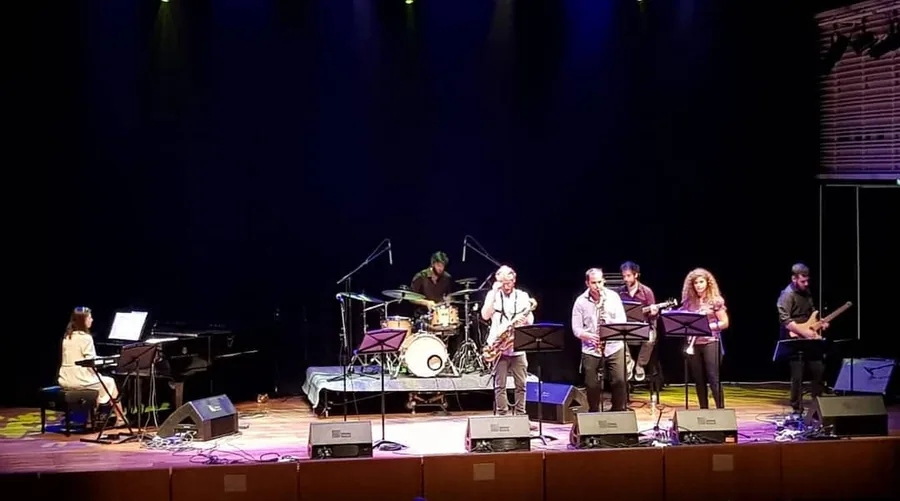
“Meet Kopelman, the marvellous creator who belongs to the very top rank of our composers.”
There is something to hear here. Do not miss it.
Chanoch Ron
See the original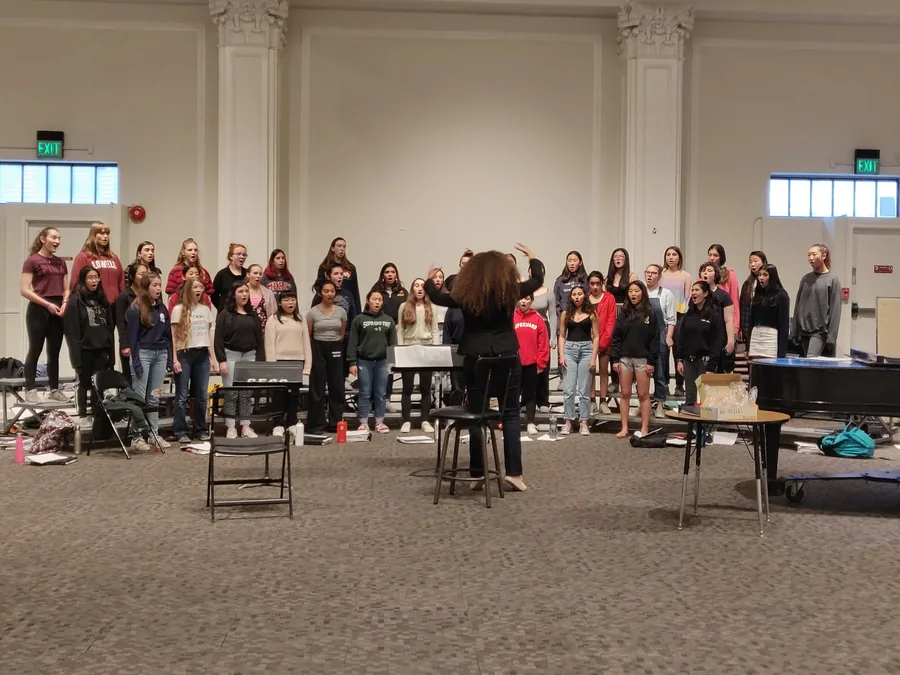
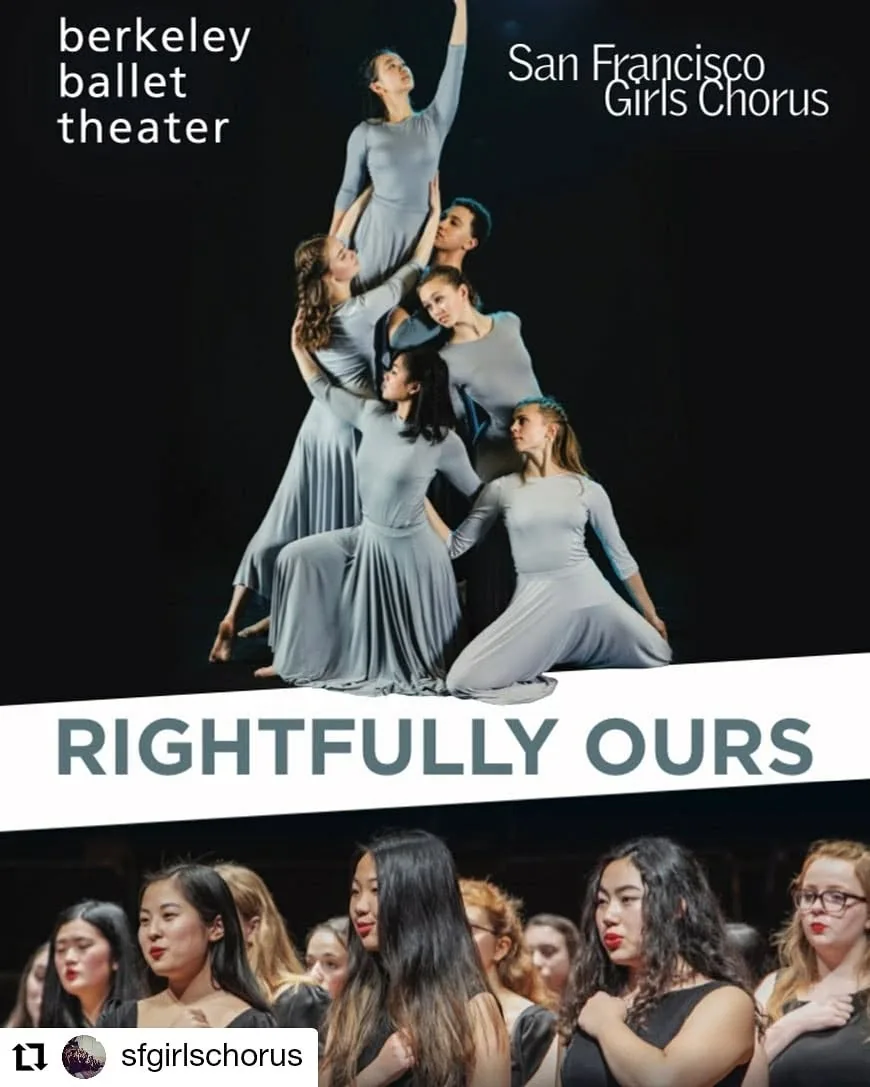
“If this concert were repeated, I would run to it again — because of Kopelman’s piece.”
Hebrew Magnificat ran alongside popular works by two giants — Shostakovich and Prokofiev — and they neither wore it down nor overshadowed it. That was the surprise. A work one must know.
Chagai Hitron
See the original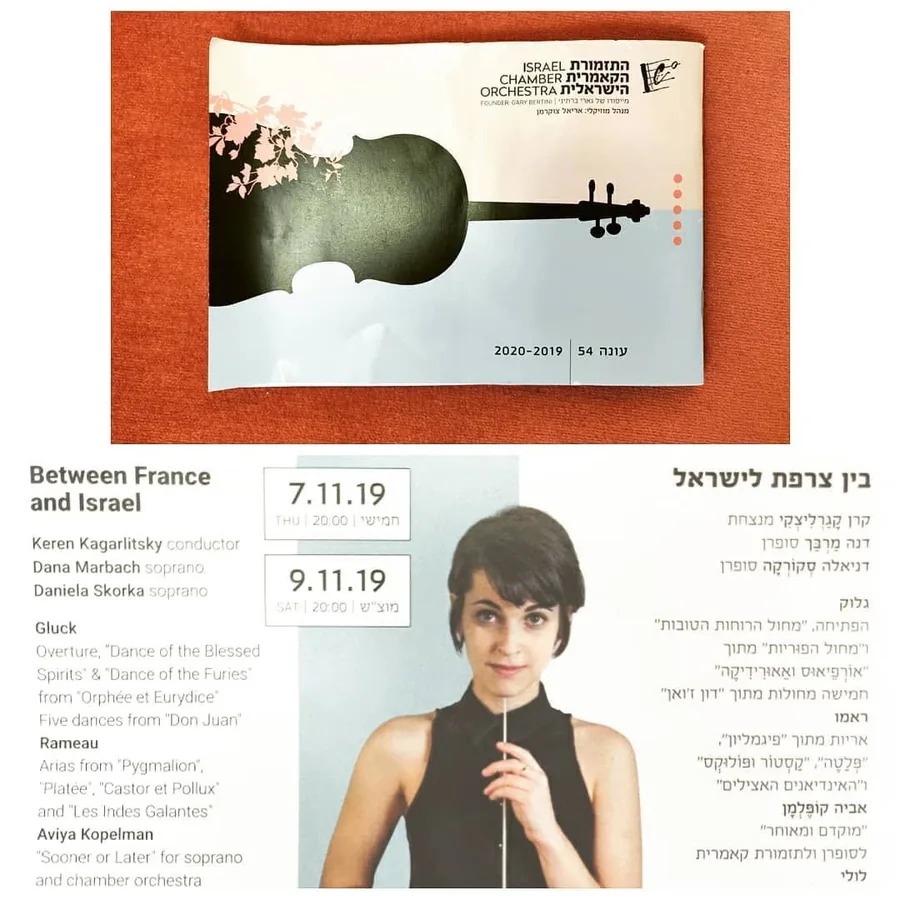
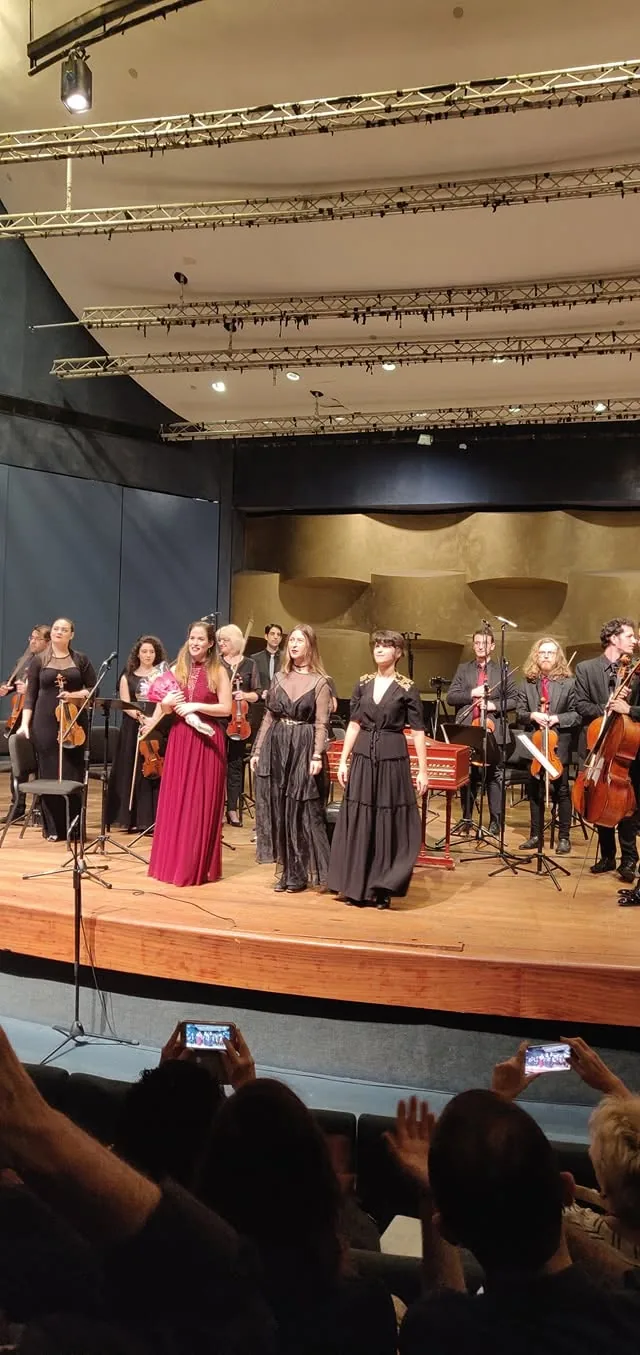
“Kopelman seemed to photograph and to mourn the tragic reality of the real Israel.”
From these “cheap” means she brewed harrowing music that speaks straight to the ear and to the heart.
Chagai Hitron
See the original

“All these are the marks of a talent that breaks through and embraces time and place.”
Sevenfold more moving to hear wonderful works by an Israeli composer who blends, entirely naturally, poems by Wallach and Alterman with the improvised ornaments of the Arabic oud, a touch of jazz, and echoes of Bach and the Baroque.
Ora Binur
See the original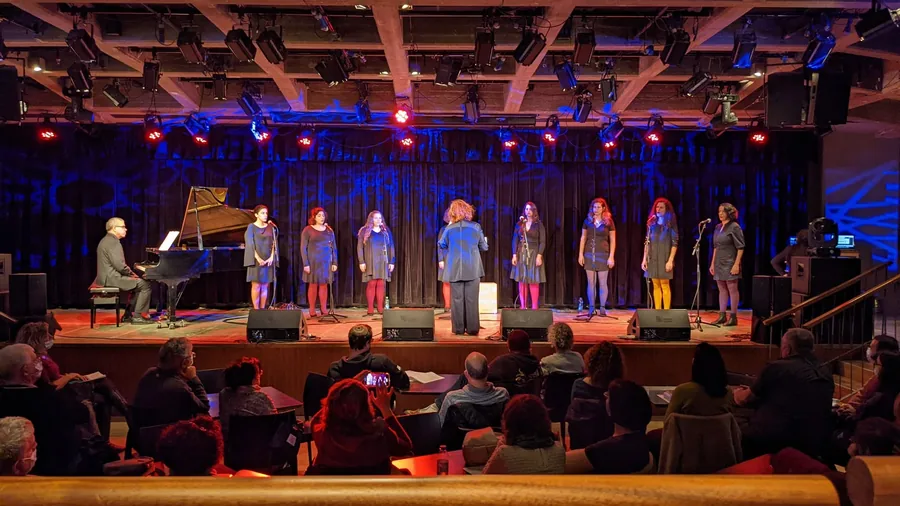
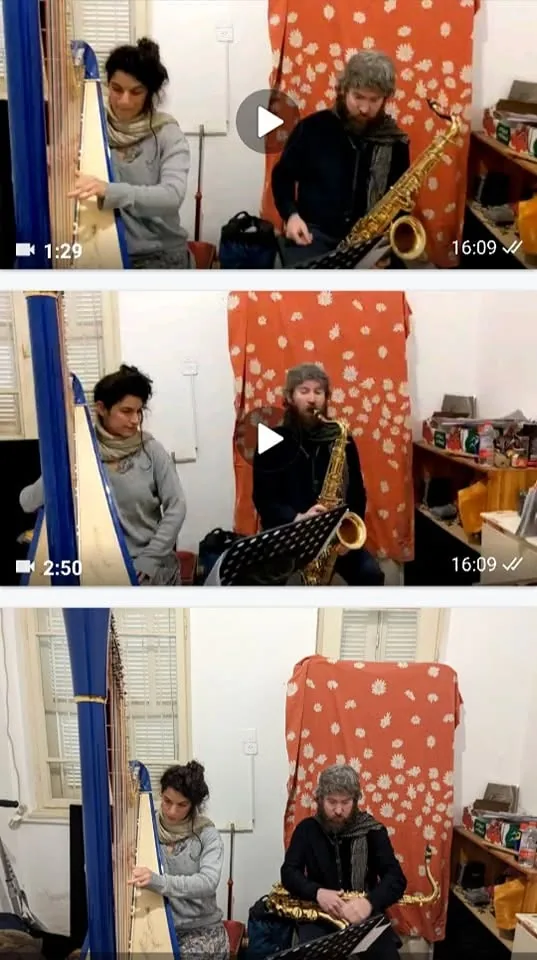
“When I first heard Aviya Kopelman’s string quartet, I fell off my chair.”
Here Kopelman demands the entire range of human expression: whisper, sigh, speech, cry, art song, and silence. There is a philosophy of human expression behind the score, because it is written with so much talent and beauty.
Dror Burstein
See the original
“Her works have a beauty of feeling on one hand, and a beauty of instinct for structure and form on the other.”
Kopelman is a very mature composer.
Seven Nights
See the original
“Some of the most beautiful songs heard recently in Israeli art-pop.”
Kopelman showed courage and creativity on her new album. Out of this jumble she manages to create a cohesive, sweeping, almost magnificent song.
Ben Shalev
“The work was a real smoker at times — a banger — with massive hard-rock weight.”
That power becomes very special when it is created by strings. The work and the performance were full of dynamics, movement and strong expression.
boborg.se
Reactions
Not press reviews — responses from colleagues and fellow musicians.
Aviya, this was the most astonishing thing I have heard in a long time, on so many levels. The texts you chose, and what you chose to emphasise within them. The way the drums are woven in. The depth of the “rock-ness” inside all of it. The rhythm, the energy, the pain. Anything more I say will not be enough to convey the feeling. And there is something really powerful in the repetitiveness of the closing line, which echoes differently for every listener. You have created a masterpiece. I have never heard anything like it. This is a new stage in what you make. It was so cohesive, so clean. All the things you work with that I knew — from the energies and the rhythms to the feminine dimension — everything came together here better than ever before. You gave me so much inspiration.Yuval Ben-Amiwriter, formerly a music critic · on Sooner & Later
I was there and I heard it. A wonderful work, powerful and moving to tears. A sensitive and intelligent choice of texts, woven together into a new and effective dramatic narrative, handled brilliantly through expressive music that builds a continuous, sweeping, utterly convincing and almost operatic arc, without ever slipping into melodrama or kitsch sentimentality. The orchestration uses strings and percussion alone, yet in a way that creates a colourful, rich and highly varied sensation. I will not give spoilers, but the shift in vocal delivery over the course of the work is so right. A work that proves how barren all those arguments are — whether “modern” music should be tonal or not on one side, or the disconnect between contemporary music and its audience on the other. A work that bridges musical worlds with great sensitivity and artistry, by a composer who knows and understands both worlds well, without the joins ever sounding crude, forced or ingratiating. The performance too was very fine. The audience response did not disappoint. Warmly recommended — go and hear it. One can only hope the work will soon receive further performances by other orchestras, and so reach a wider audience.Raz Binyaminidirector, Israel Chamber Music Center · on Sooner & Later, 2019